
Substances
About Database
Substances
About Database
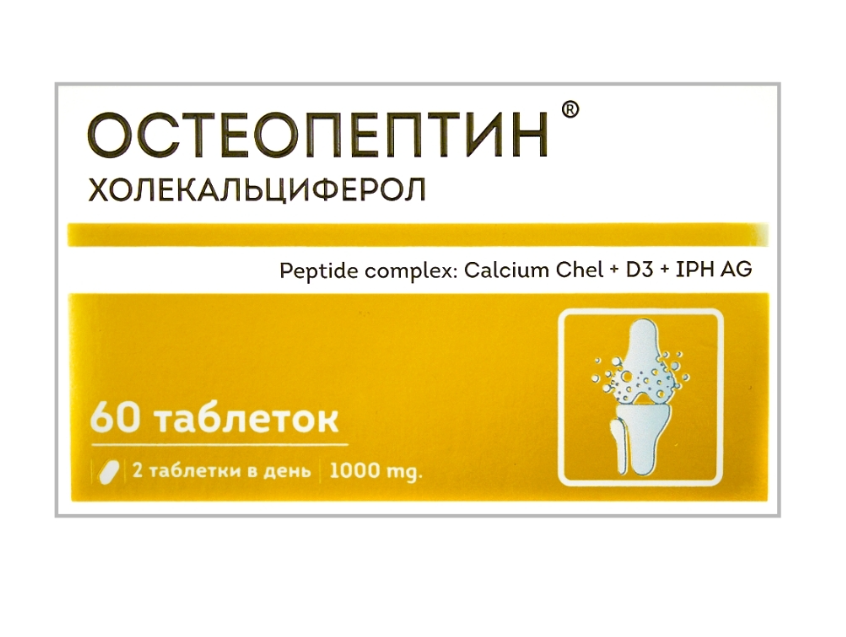
Vitamin D₃ is an organic fat-soluble vitamin that is biologically inactive in its native form. Its activity emerges after hydroxylation in the liver and kidneys. In its active form, it regulates calcium–phosphorus metabolism by enhancing intestinal calcium absorption and renal phosphate reabsorption.
Vitamin D₃ may be classified as a proresilient substance, as there is no evidence indicating an increase in lifespan associated with its use. However, its clinical application contributes to improved adaptation and quality of life in various conditions. Vitamin D₃ is used in the treatment of rickets, seasonal psoriasis, osteoporosis, delayed fracture healing, and metabolic bone diseases associated with hypoparathyroidism. Through normalization of mineral metabolism and support of skeletal integrity, vitamin D₃ enhances functional capacity and adaptive potential during therapy (Volkov M. M. et al., 2010).